NoteTaker
A private iPhone app that records a session, transcribes it on the phone, analyzes it with Claude and files it in Notion.
PRODUCT
AI IN THE PROCESS

SCOPE
Product design, design system, iOS interface and motion, Figma-to-code, AI integration.
The Brief
I wanted to test Claude Code, mainly to see how quickly and accurately it could develop a fully functional app, and how efficient and well-executed the design side would be. So, I decided to build an app that would be useful in my day-to-day life.
The Idea
I trade futures, and the review of every session goes into Notion along with everything else I work on. The review is the part that slips. It is easy to talk through a session out loud while it is still fresh, and hard to sit down afterwards and write it up. So, I wanted this app to connect the tools I already use rather than add another one to the pile. Once it worked for a trading session it obviously worked for a meeting too, so one app replaced two things I had been doing separately. The main constraint was that no audio would leave the phone: transcription runs on-device, and the only thing that reaches a server is text I chose to send.
The Craft




AI in the Process
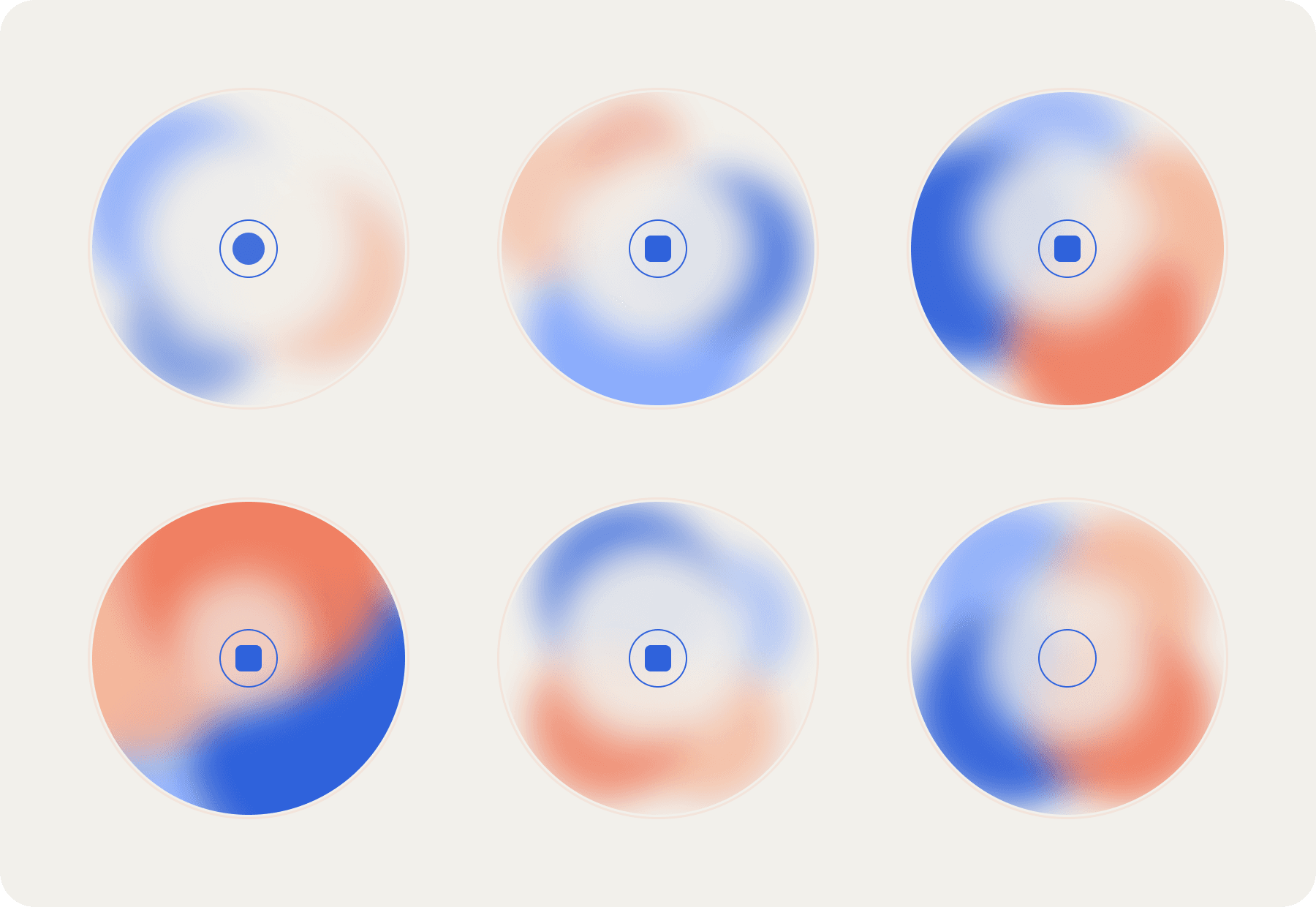
I briefed Claude Code on the idea: a voice-recording app that gives me a summary and action points, and, for trading sessions, what I did well, what I can improve, and recommendations for the next session. It gave me a functional app within the first few attempts. However, the design was very generic, like an old 2010s design system, and it had only three screens. So the next test was how well Claude Code could implement my design preferences. I first laid out the workflow and wireframes for a fully functional app, as if it would be used by other people and not only me. Then I connected Claude to Figma and gave it a mood board with the colors, fonts, and design elements I wanted, including a moving colored orb. I asked it to build the design system based on that. It took six attempts to get it right, and I went hands-on with the orb myself, because no matter how many references and prompts I tried, Claude couldn't quite get it right. Once the design system was ready, I asked Claude to build the screens based on my wireframes. Whenever I needed a change, I tested prompting Claude to make it. For some elements, it was easier and faster to do it myself, but for changes that needed to be applied in bulk, the efficiency was surprising. Claude Code wrote all of the TypeScript: the recorder, the Notion client, the ninety unit tests, and the code that animates the orb. Claude also does the work inside the product: through the API, it reads the transcript and returns the summary, the action points and, for trading sessions, the review.


The Outcome
NoteTaker is now on TestFlight and I use it for my own sessions and work meetins. Seventeen screens in two themes, six orb states, five session stages, a transcript pipeline covered by ninety unit tests, analized by Claude and pushed to my Notion database. The video above is the app running on iPhone, you can test it out yourself here: https://testflight.apple.com/join/kW25gFXB
